Best Organic Diapers For Babies (9 Eco-Friendly + Non-Toxic Choices)
This post may contain affiliate links that I may receive a commission from if you click & buy. In addition, the information on this site is NOT intended to be medical advice. See my full policy for more information.

Let’s talk about organic baby diapers. With a plethora of options available, understanding the benefits of organic and eco-friendly diapers can help you make informed decisions that align with your family’s values and your baby’s well-being. Plus, we ranked the best organic diapers down below so that you don’t have to stress over which diaper is better for your baby.
Traditional disposable diapers have been convenient for decades, but concerns about their chemical components and environmental impact have led many parents to explore alternative options. And truthfully, as a mom who has used both traditional and organic diapers, I understand the concern.
Organic diapers, crafted from natural materials, offer a gentle touch against your baby’s delicate skin and are designed to minimize exposure to potentially harmful substances. Additionally, eco-friendly diapers aim to reduce the environmental footprint associated with diapering, providing a sustainable choice for conscientious families.
But, higher quality ingredients and sustainability typically reflect a more expensive price tag. So, is one truly ‘better’ than the other? Let’s find out all the details below.
Understanding Chemicals in Diapers and Their Impact
Conventional disposable diapers often contain various chemicals to enhance absorbency, elasticity, and durability. I mean, who wants to put a diaper on their little one that’ll end up with leaks and tons of laundry for you to do?
However, while these features contribute to convenience, it’s essential to be aware of the substances & ingredients that come into contact with your baby’s skin:
- PFAS: Per- and Polyfluoroalkyl Substances, also known as “forever chemicals”. These synthetic compounds are valued for their water-resistant and stain-repellent properties, hence why they end up in your baby’s diapers.
- However, some research indicates that certain PFAS compounds are endocrine disruptors, meaning they can interfere with the body’s hormone system, potentially causing adverse health effects. Mamavation recently conducted testing with EHN.org to test 40 different brands of diapers, their results showed that 23% of the total products tested had evidence of PFAS.
- Chlorine and Dioxins: Many diapers are bleached with chlorine, a process that can produce dioxins—environmental pollutants that may pose health risks. Chlorine has also been known to irritate the skin, cause rashes, and can flare up other skin-related allergies. Opting for diapers labeled as “total chlorine-free” (TCF) ensures that no chlorine or its derivatives were used in the bleaching process, thereby reducing potential exposure to these toxins.
- Phthalates: I know you’re no stranger to this term. These chemicals are used to make plastics more flexible but have been commonly classified as endocrine-disrupting chemicals. While most research shows the amount of phthalates babies are exposed to through their diapers is harmless, choosing diapers that are phthalate-free can help mitigate this concern altogether.
- Fragrances and Lotions: Added scents and lotions can cause skin irritation, especially in babies with sensitive skin or allergies. Fragrance-free options are generally recommended to minimize the risk of those allergic reactions.
Understanding these components underscores the importance of selecting diapers that prioritize your baby’s health and comfort. By no means are we saying that organic diapers are the only way to go.
We also realize the cost associated with cleaner products, but rest assured — you can still find great diaper options from places like Amazon, at a good price.
Did you know diapers on Amazon include a 20% discount if you’re an Amazon Prime member? Be sure to sign up today to take advantage of those diaper savings!
Top 8 Best Organic Diapers & Eco-Friendly Diaper Choices
No time to read? Here are our top 3 picks!
Coterie Diapers
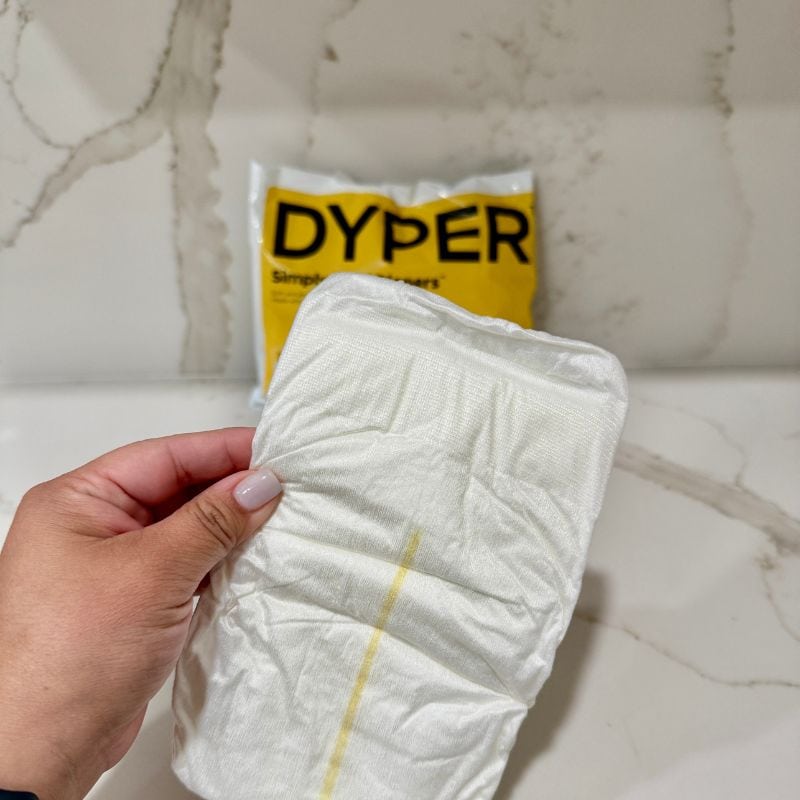
Dyper Bamboo Diapers
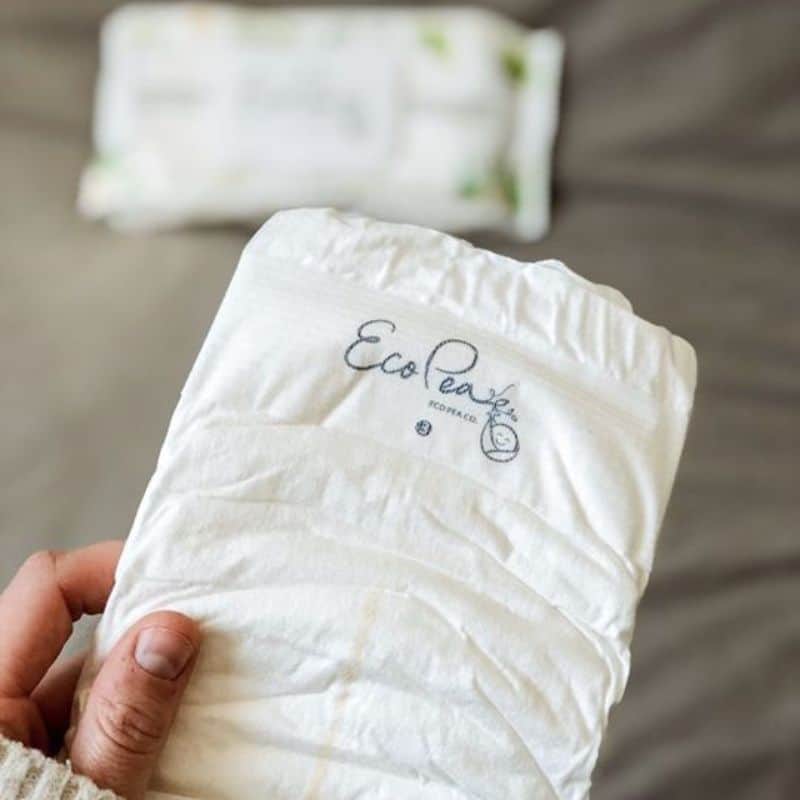
Eco Pea Co. Diapers
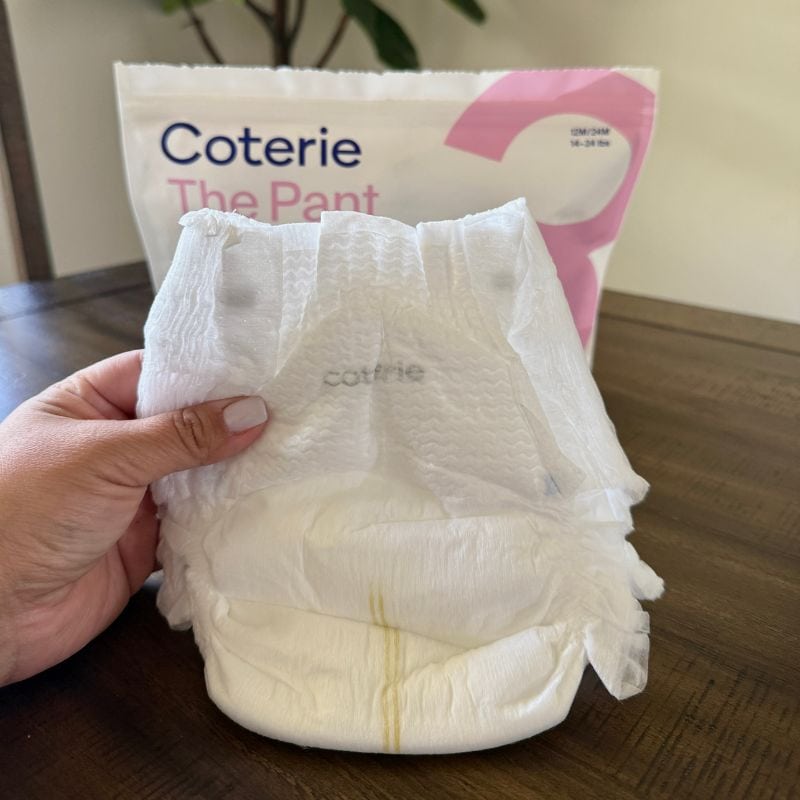
#1 Coterie Diapers
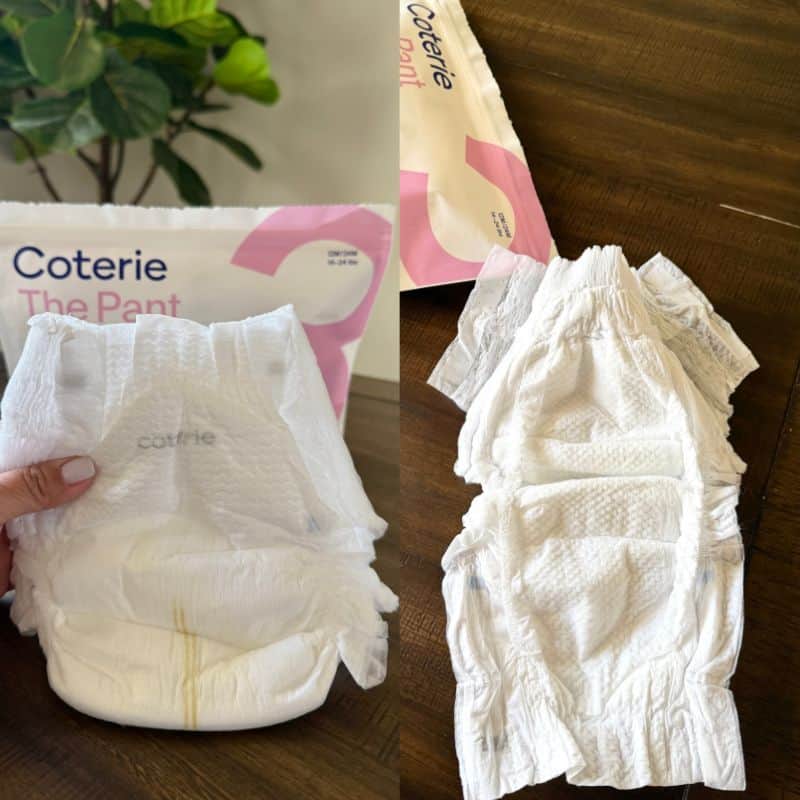
Pros: Made with 25% plant-based materials sourced from sustainably managed forests; free from chlorine, latex, fragrances, lotions, dyes, alcohol, parabens, and phthalates; clinically proven hypoallergenic; dermatologist-tested; no brighteners; no animal testing.
Cons: Higher price point compared to traditional diapers and some leaking reported by parents.
#2 Dyper Bamboo Diapers
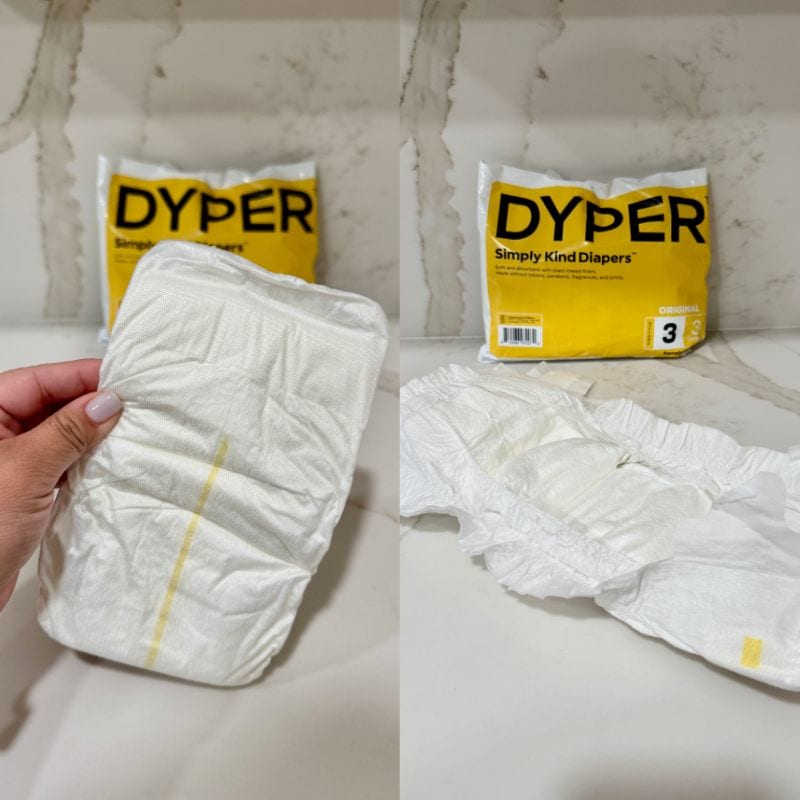
Pros: Made from responsibly sourced bamboo; free from chlorine, latex, alcohol, perfumes, PVC, lotions, TBT, and phthalates; biodegradable components; subscription service available for convenience.
Cons: Initial investment may be higher; these compostable diapers need proper composting facilities to benefit fully from biodegradability, sizing can run large, and among the rest of this list, their absorbency didn’t hold up too well.
#3 Eco Pea Co. Diapers
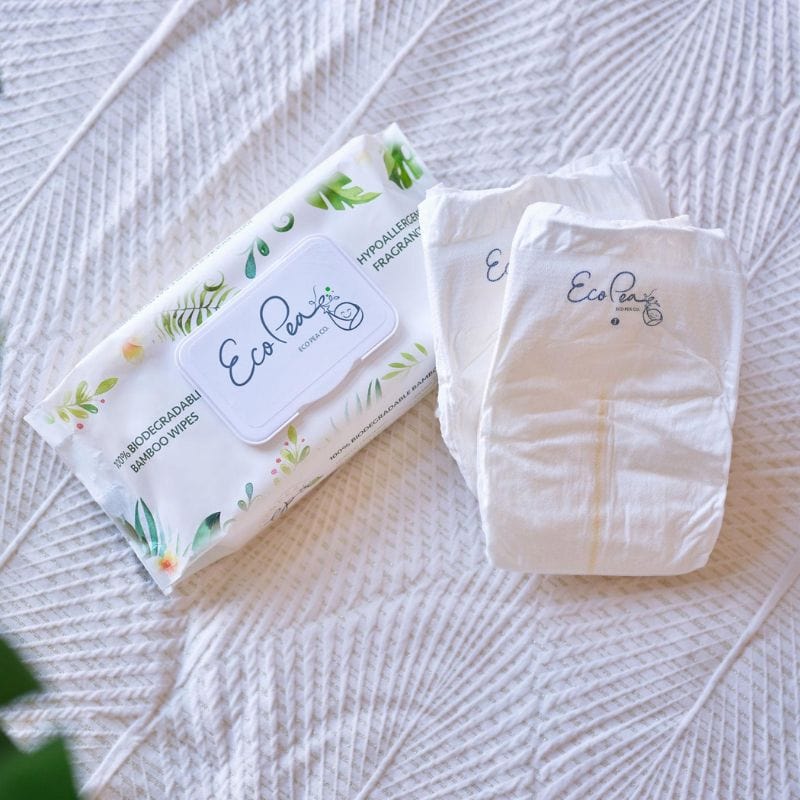
Pros: Crafted from sustainably sourced bamboo; free from chlorine, fragrances, and harsh chemicals; hypoallergenic and dermatologist-tested; biodegradable materials. They’re also cruelty-free and never tested on animals. They feature a unique aloe liner to help nourish your baby’s delicate skin.
Cons: Availability may be limited to online purchases; price point may be higher.
A note from Eco Pea Co.
Our mission at Eco Pea is to change the way we think about diapers and wipes. As parents of 3, we also found ourselves among other parents choosing diapers based on cost and popularity. But when our third baby, our daughter, developed serious allergies to the brand we had been using, we decided to look into why her skin was reacting so aggressively and we wanted a solution. After much research, we learned that common diaper brands are made with many synthetic fillers, irritants and toxic chemicals (not to mention plastics and petrochemicals that don’t break down) which keep them “cheap”, but can actually harm our babies. Instead, Eco Pea diapers are made with sustainably sourced and super soft bamboo, a combo of SAP and wood pulp + Aloe, and without irritating chemicals like chlorine, latex, alcohol etc…this makes them a great option for parents who are looking for a truly clean, gentle and effective option, with the convenience of at-home delivery. In terms of cost, we know this is an important deciding factor for every parent. That’s why we’ve tried very hard to ensure we are as comparable as possible to other popular brands that may not be as gentle and that are not 85% biodegradable in 90 days.
#4 Bambo Nature Diapers
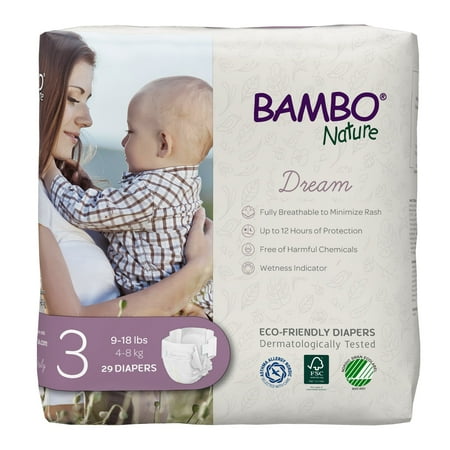
Pros: Made with eco-friendly materials; certified skin-safe; free from harmful chemicals and allergens; high absorbency suitable for overnight use.
Cons: Slightly bulkier design; higher cost compared to conventional diapers.
#5 The Honest Company Diapers

Pros: Honest co. uses plant-based materials; free from fragrances, parabens, and elemental chlorine; stylish designs; widely available in retail stores.
Cons: Many users report leaking issues (I experienced this myself when I tried them for my boys) and they contain some lotions/dyes in their formulation which may not be suitable for those with sensitive skin.
#6 Hello Bello Diapers
Pros: Plant-based absorbent core liner; free from chlorine processing, fragrances, and lotions; affordable pricing with their subscription, can be purchased at Walmart; fun and colorful designs.
Cons: According to their website, Hello Bello uses inks (made without disperse dyes) that have been carefully assessed for safety and non-sensitization – similar to the inks used in things like food packaging and colored contact lenses.
#7 Mama Bear Gentle Touch Diapers
Pros: Contains no added lotions or perfumes, free of chlorine bleaching, offers up to 12 hours of protection and is available online at Amazon.
Cons: Sometimes it can be hard to find the right size, and are out of stock often.
#8 Pampers Pure

Pros: Made with plant-based materials, free from chlorine bleaching, fragrance-free, and widely available at most retail stores.
Cons: Contains some synthetic materials and less sustainable materials compared to the other diapers on the list, and they’re not fully biodegradable.
Best Organic Diapers In Conclusion
When selecting the right diaper for your baby, it’s essential to consider skin sensitivity, environmental impact, and budget. Babies with sensitive skin may experience a diaper rash from certain materials, making plant-based diapers or natural diapers a better option. Some brands use wood pulp and certified organic cotton instead of synthetic materials to provide a softer diaper that’s still ultra-gentle on your baby’s skin.
For parents focused on sustainable diapers, options like biodegradable diapers or even reusable cloth diapers can make a significant difference in reducing waste compared to traditional disposables. Many brands now prioritize eco-friendly materials, offering pure diapers free from sodium polyacrylate and other chemicals!
If you’re trying to balance a lower price with performance, exploring different brands can help find the best disposable diaper for your needs. Consider features like wetness indicators, leg cuffs for a perfect fit, and absorbency for overnight use. Whether you’re shopping for a first baby or transitioning into training pants, finding the best choice will depend on your baby’s skin sensitivity and of course, your preference.
Choosing the best diapers for your little one to make those recurring diaper changes a breeze might feel daunting, but hopefully, you have a better idea which of these organic diapers fits into your daily life best. By understanding the potential chemicals in traditional diapers and exploring sustainable alternatives, you can make informed choices that align with your family’s values.
Remember, every baby is unique, and finding the perfect diaper may require some experimentation! So, which of the diapers on our Best Ogranic Diapers list above will you be giving a try?
More articles you’ll love & find helpful: