
At Home Remedies for Postpartum Hair Loss
This post may contain affiliate links that I may receive a commission from if you click & buy. In addition, the information on this site is NOT intended to be medical advice. See my full policy for more information.
If you’re staring at clumps of hair in the shower drain or noticing your once-full ponytail looking thinner every day since you gave birth, you’re not alone. Welcome to a little something called postpartum hair loss. And in this article, we’ll discuss some at home remedies for postpartum hair loss you can start trying today. But, let’s be real about something…
It can feel shocking, frustrating, and sometimes even a little scary, but rest assured, it’s a very normal part of the postpartum journey. Like you, I remember standing in the bathroom, running my fingers through my hair, and wondering if it would ever stop falling out.
I remember seeing myself in photos, with my hairline obviously thinning. It felt like yet another reminder that my body was not the same after pregnancy, and I desperately just wanted to feel like myself again.
This post may contain affiliate links from which I receive a commission if you click or make a purchase. This article is for informational and educational purposes only and is not intended to replace medical advice, diagnosis, or treatment. See my full policy for more information.
Here’s the good news: postpartum hair loss is temporary, and there are simple, natural ways you can support your body and your hair during this season. While you can’t completely prevent the shedding (thank you, hormone shifts), there are plenty of postpartum hair loss remedies that can help nourish your scalp, promote hair growth, and ease some of the stress that comes with this stage.
So, let’s take it one step at a time. We’ll break down why postpartum hair loss occurs, what to expect, and the best natural remedies for postpartum hair loss you can start using at home. We’ll also talk about postpartum hair care tips, what to do for postpartum hair loss if you’re breastfeeding, and the realistic timeline for when your hair should start growing back.
Consider this your go-to resource for navigating post-pregnancy hair changes with confidence from a mom who went through this stage twice, oh, and a little extra grace for yourself.
Understanding Postpartum Hair Loss
What is Postpartum Hair Loss?
Postpartum hair loss, sometimes called postnatal hair loss or postpartum alopecia, is the temporary shedding that happens after giving birth. If you’re noticing more strands in your brush, shower drain, or even on your pillow, and you recently gave birth, welcome to another part of the postpartum journey.
During pregnancy, your estrogen levels are much higher than usual. This keeps your hair follicles in the “growth” phase of the hair cycle, which is why many women notice fuller, shinier hair while pregnant.
After delivery, however, those hormone levels drop, and your hair enters a “resting phase” (called telogen effluvium). That’s when you may see the shedding begin, often around three months postpartum.
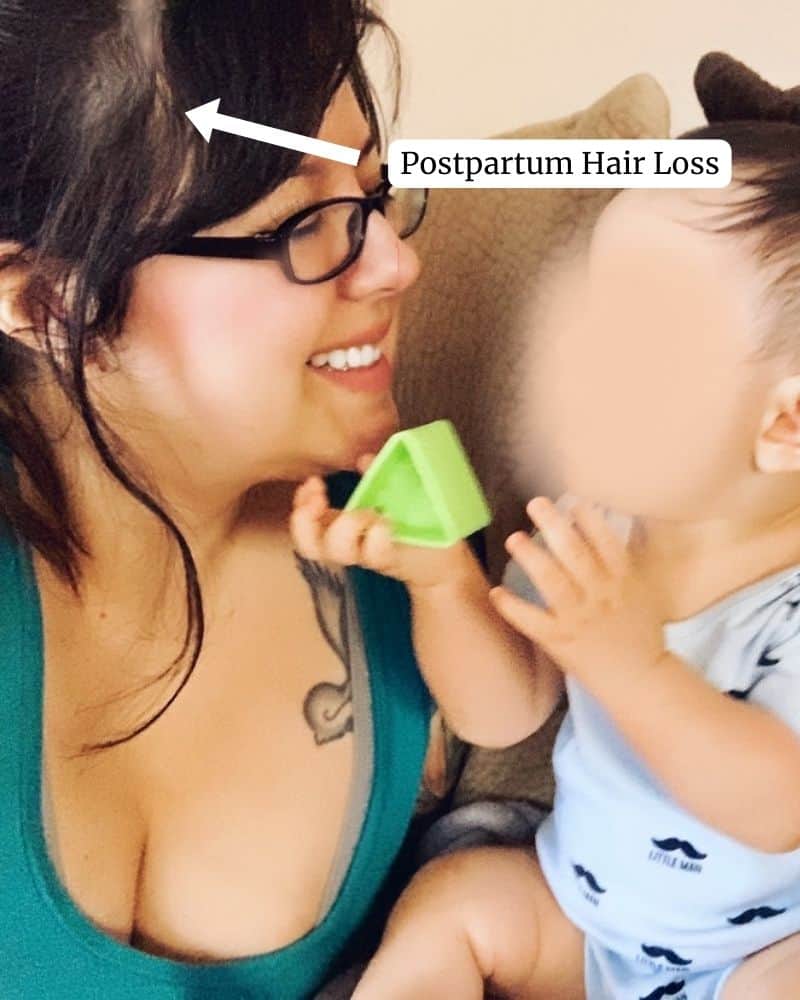
As you can see in the image above, I experienced a lot of thinning right behind my bangs. Whenever I wore my hair in a ponytail or bun, you could easily see the hair loss.
But although it may look like you’re losing a ton of hair, you’re not going completely bald. Your body is simply catching up with the normal hair life cycle. Most women notice the heaviest shedding between three and six months postpartum, with things typically improving by their baby’s first birthday.
Knowing this timeline might seem pointless, but hopefully it can help ease some of the stress that comes with seeing clumps of hair fall out. It’s a reminder that this is a temporary and normal part of your body’s healing after pregnancy.
Can Anything Else Cause Postpartum Hair Loss?
The main culprit behind your hair falling out after delivery is the sharp change in your hormone levels. As mentioned earlier, high estrogen levels kept your hair growing and prevented the normal amount of daily shedding (around 50–100 hairs per day). Once you’ve given birth, those estrogen levels drop back down, and suddenly all the hairs that had been “resting” during pregnancy start shedding at once.
If you’re a breastfeeding mama, know that it may also play a role. While it’s not a direct cause of the hair loss, your body does require more nutrients while breastfeeding. If you’re low in iron, not getting enough protein, or running on minimal sleep (hello, sleep-deprived new mom life), your hair may feel even thinner.
That’s why many experts note that hair loss with breastfeeding is often connected to nutritional needs and deficiencies rather than breastfeeding itself. It’s also been noted that mothers who breastfeed tend to experience a longer duration of hair loss after birth.
Other factors that may make postpartum hair loss worse include stress, thyroid issues, or an iron deficiency, all of which aren’t entirely uncommon in the postpartum period.
Rest assured, this shedding is temporary, and your hair follicles will eventually cycle back into the growth phase. But supporting your body with a healthy diet, daily postnatal multivitamin, stress management, and gentle postpartum hair care can make a big difference in how quickly things feel balanced again.
At Home Remedies for Postpartum Hair Loss
While I know you don’t want to hear this, you can’t completely stop postpartum hair loss. However, there are several things you can do to support your body, encourage hair growth, and make the shedding feel more manageable.
Think of this season as one where you’re giving your hair a little extra postpartum hair care love.
1. Focus on a Healthy, Nutrient-Rich Diet
Your hair health, generally speaking, is often a reflection of what’s happening inside your body. Eating a healthy diet with plenty of protein, leafy greens, healthy fats, and iron-rich foods can help strengthen your hair follicles and promote regrowth. If you’re breastfeeding, your nutrient needs are even higher, so be mindful of nourishing your body well.
Need some meal ideas? Check out our popular postpartum meal prep article. It’s loaded with quick, easy, and healthy meals you can prepare before you even give birth!
One supplement designed with moms in mind is the Needed Women’s Multivitamin. It provides key nutrients like iron, zinc, and vitamins A, C, D, and E, all of which play an important role in supporting hair growth and overall postpartum recovery.
Supporting your nutrition this way can make a noticeable difference in how your body (and hair) feels during the postpartum period.


2. Practice Gentle Postpartum Hair Care
The way you care for your hair makes a difference while it’s fragile. A few small shifts can help minimize breakage:
- Use a wide-tooth comb instead of a brush to reduce pulling.
- Avoid tight ponytails or buns that tug on the hairline.
- Let your hair air-dry when possible instead of using hot tools daily. You can use a leave-in conditioner to help maintain moisture.
- Switch to a soft scrunchie instead of elastic bands to prevent added stress on your hair strands.
3. Rotate These Gentle Home Remedies for Postpartum Hair Loss Into Your Weekly Routine
Many moms find relief from simple, natural remedies for postpartum hair loss. A few easy ideas include:
- Scalp massage with Nutrafol’s Hair Serum or Rosemary oil to boost circulation and strengthen roots.
- DIY hair masks (like aloe vera or avocado-based masks) or a hair regrowth formulated hair mask to nourish strands and reduce breakage.
- Use a mild shampoo for post pregnancy hair loss that’s free of sulfates and harsh chemicals to avoid extra stress on your hair.
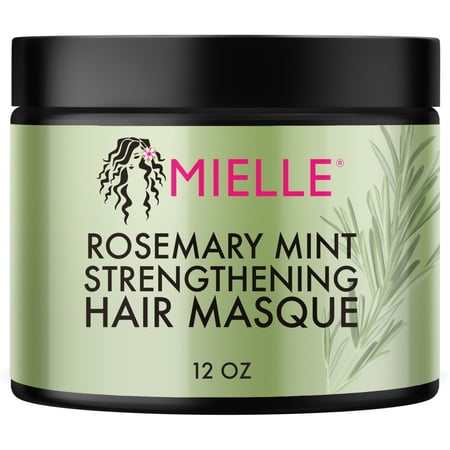
These home remedies for postpartum hair loss are safe, inexpensive, and can easily fit into your routine.
4. Know When to Consider Medical Treatments
For most moms, postpartum hair loss is just a temporary phase of the postpartum period, and hair begins to regrow on its own within several months. But sometimes, shedding can be a sign of something more than just normal after delivery hair falling out.
You may want to reach out to your doctor if:
- Your hair loss continues beyond 12 months postpartum without improvement
- You notice bald patches or significant thinning in specific areas
- Shedding is accompanied by other symptoms, such as fatigue, feeling cold, or obvious changes in mood (which can point to thyroid issues)
- You have a known or suspected iron deficiency, which can contribute to excessive hair loss
- Your scalp feels irritated, itchy, or painful in addition to the hair loss
In these cases, a healthcare provider may order bloodwork to check your thyroid function or to check iron levels, since both can impact hair growth. They may also recommend specific hair loss postpartum treatments, such as topical solutions or prescription options.
Remember, you don’t have to just “wait it out” if your gut tells you something isn’t right. If you’re feeling off and have a hunch there’s more going on beyond the hair loss, advocate for care and discuss with your healthcare physician.
Final Thoughts on Experiencing Postpartum Hair Loss
If you’re going through postpartum hair loss, I know it’s frightening. I also know, it’s literally the last thing you want to be worrying about when you’re trying to survive the sleepless nights, hormonal changes, and trying to feel like yourself again.
Please remember, this is a normal part of the postpartum period, and it does not mean anything is wrong with you. You and your body have been through so much. Between bringing a new life into the world and healing after birth, it’s a complicated process with some weird side effects.
Fortunately, the remedies above in this article should ease the struggle. So take a deep breath, know that this stage is temporary, and give your hair and body the care it deserves.
Before long, your hair growth will catch up, and in the meantime, you’re still the beautiful, strong mama your baby adores.
The most effective thing I’ve found to help with postpartum hairloss is a postpartum hair gummy from Baby Blues. I had severe hair shedding and loss my first pregnancy and met with my obgyn in tears regarding it. I tried oil drops on my scalp and they made my hair so greasy. I was recommended these to replenish the vitamins shed after having the baby, they have: biotin, collagen, b12, folate, vitamin a etc. Definitely a max stength gummy I compared them with many different brands. I was able to see hair regrowth quite quickly and then fullness back around the 3 month mark. I just take them now as a hair vitamin because they are so good and I’ve grown accustomed to the compliments again regarding my hair. They tend to sell out I know personally how devastating the fall out can be. Hope it might help