Your Exhaustion Solutions: How to Combat Sleep Deprivation After Baby
This post may contain affiliate links that I may receive a commission from if you click & buy. In addition, the information on this site is NOT intended to be medical advice. See my full policy for more information.
Disclaimer: This article may contain commission, paid partnerships, or affiliate links. We independently review everything we recommend. When you buy through our links, we may earn a commission from qualifying purchases.
How to Combat Sleep Deprivation Postpartum: Real Tips That Actually Work
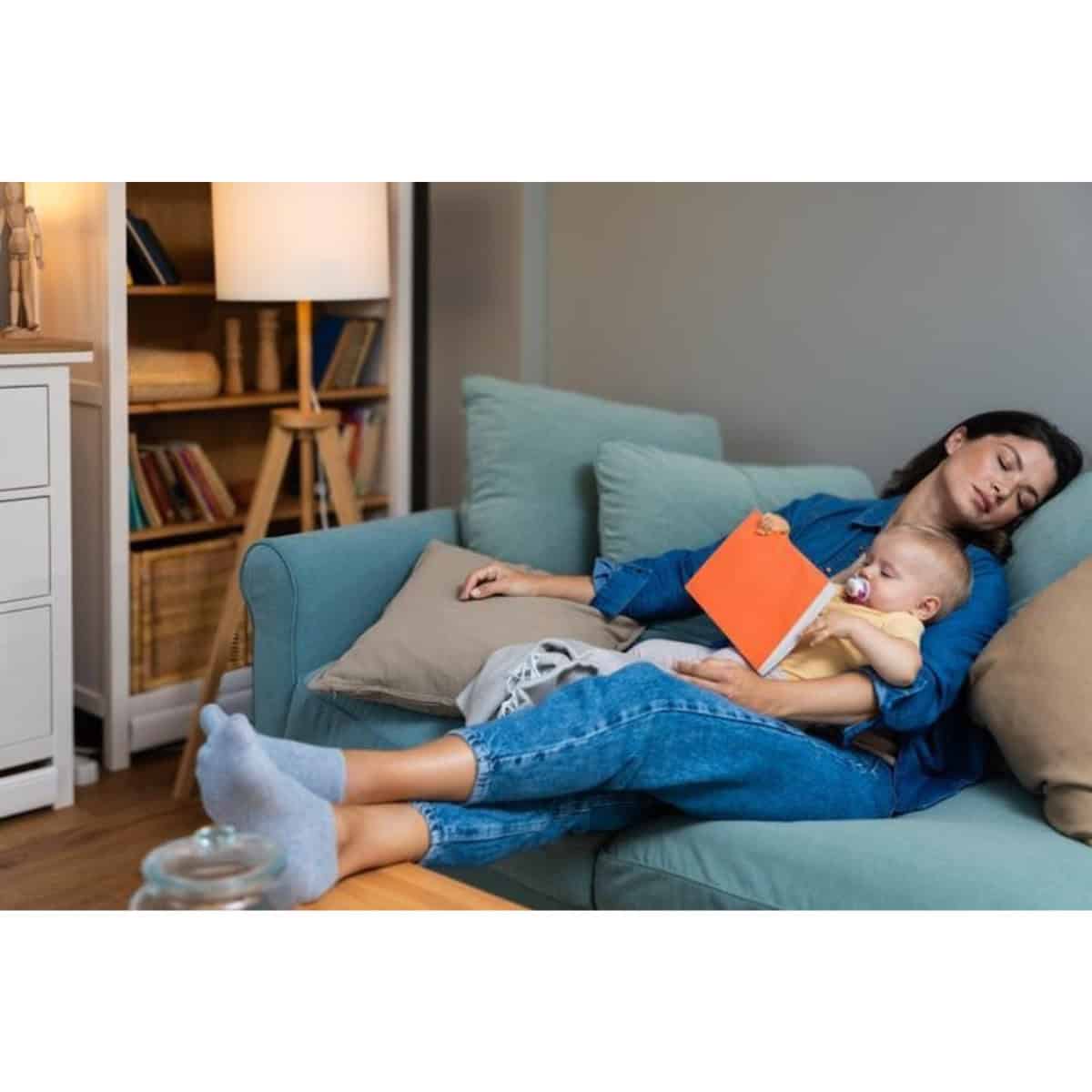
Newborn exhaustion isn’t just feeling tired, it’s a whole different animal. One where you can’t remember what you were saying mid-sentence, or where you absentmindedly place the milk in the cabinet instead of the fridge (again). I even vaguely recall tearing up over a dropped pacifier at 2 am. It wasn’t the end of the world, but at the time, it sure felt like it.
And mama, here’s what I need you to hear before anything else: Feeling completely wrecked by all of this doesn’t mean you’re failing. It means you’re human, and you’re deep in the thick of it.
If you’re reading this with one eye open and running on three hours of broken sleep, I see you. I’ve been there, too. With both of my boys, the first few weeks were a blur, as in I couldn’t have told you what day it was. And yes, there’s the age-old advice, “Just nap when the baby naps!” But in practice, this isn’t as easy as it sounds.
So, let’s skip the clichés. How can you actually combat sleep deprivation postpartum? Well, I’ve got a few sleep tips for new moms (tips that got me through the hardest moments with my first and second), and I think they’ll help you, too.
If you want a broader list of strategies beyond what I cover here, Life As Mama put together 10 Simple Ways To Combat Sleep Deprivation that’s worth bookmarking, too.
Understanding Sleep Deprivation After Baby
It’s likely your nights right now consist of a blur of feed-change-rock-repeat. And this is simply how babies work on a biological level.
While you might be pulling all the stops with baby sleep strategies, the truth is your baby was born without a working internal clock. This means your baby has no sense of day versus night. The body clock (the circadian rhythm) doesn’t actually kick in until around 2 to 3 months, and for many babies, those longer nighttime stretches don’t show up until somewhere around 4 to 6 months.
Instead of one long, glorious stretch of sleep, babies, especially in the first few months, take naps spaced across a 24-hour period. These naps aren’t perfectly timed, which is why it can feel like everything is all over the place. Your baby might take a 1-hour nap one morning but a 4-hour nap another day around the same time, without rhyme or reason.
And here’s the part that catches a lot of mamas off guard: breastfeeding and sleep deprivation might actually go hand-in-hand. In other words, how often your baby wakes to feed depends a lot on how they’re fed. Breast milk digests faster, so breastfed babies often need topping up about every two hours. Formula-fed babies tend to stretch a little closer to three.
Neither one is better or worse; formula or breast-fed, you’re feeding your baby, full stop. But if you’re nursing, it usually means you’re the one up for every wake-up. At the same time, every baby is different, and clusterfeeding can be common in the first few days and weeks.
Now, there’s no denying that this phase is brutal either way, but here’s a quick reminder: it’s also temporary; your baby’s sleep will mature, and so will your nights.
Why Sleep Matters for New Moms
For a recovering, postpartum body, sleep is a basic need. Right up there with food and water. I know it’s hard right now, but the fact that you’re reading this shows you’re already prioritizing it. And kudos. Managing fatigue postpartum is oh-so tough.
Here’s more on why improving sleep after childbirth is so important:
- It helps your body heal. You just grew and birthed a whole human. Sleep is when your body does its repair work, including mending tissue, rebalancing hormones, and recovering from everything pregnancy and delivery asked of it.
- It supports your mood. Rest helps regulate the stress hormones and brain chemistry that keep your emotions on an even keel, so you feel more patient, more grounded, and more like yourself.
- It clears the brain fog. Sleep restores your focus and memory, meaning the day feels less like wading through mud (and you might actually remember where you set your coffee down).
- It props up your immune system. Run-down and sleep-deprived is exactly when every little bug finds you, and being sick and exhausted is its own special kind of awful. Rest helps your body fight back.
- It gives you a little bit of YOU back. More in the tank means more capacity to get through the day feeling more like a person, to laugh at the chaos, roll with the hard moments, and feel a bit more like yourself amid all the exhaustion.
While exhaustion is completely normal, if you’re feeling persistently weepy, anxious, or really not quite like yourself, there’s no shame in getting extra help when you need it the most. Loop in your doctor or therapist, or reach out to Postpartum Support International.
With that said, you’re probably still wondering how to cope with sleep deprivation postpartum. So, let’s get to it.
Tips to Combat Sleep Deprivation Postpartum
You’ve probably been handed every napping strategy for new moms under the sun, most of it useless at 2 am. So let’s skip the fluff. Here are the ways to actually get more sleep after baby, from one mama to another.

Create a Sleep-Friendly Environment
Your bedroom can do some of the heavy lifting for you. Aim for a dark, cool, and quiet space. This might mean blackout curtains, a fan or white noise machine, and the thermostat nudged down a few degrees. Keep your phone face down and out of reach if you can (doomscrolling at 2 am is the enemy of sleep).
For safety, your baby should always sleep on their back on their own firm, flat surface. Sometimes, if possible, a bassinet right next to your bed can make night feeds easier and make getting back to sleep easier, too.
Prioritize Rest When Possible
When it comes to napping strategies for new moms, the goal isn’t a perfect 90-minute block; even 20 minutes counts. At the end of the day, rest counts, even when sleep isn’t happening. Lie down in a dark room. Close your eyes for 15 minutes. Let the dishes sit (they’ll be there tomorrow, I promise). And if you can hand your baby off and grab even a 20-minute nap, take it without one ounce of guilt.
If you’ve ever found yourself trapped under a finally-sleeping baby and terrified to move, you’re not alone. how to escape a sleeping baby the easy way is one of those things nobody warns you about, but it matters when you’re trying to maximize every minute of rest.
Share Night Duties with Your Partner
If you’ve got a partner, get specific about splitting nights. Maybe they take the early stretch so you can get a solid chunk of sleep. Or maybe they handle every diaper and burp, so you only need to wake up for feedings.
If you’re solo, or your partner’s running on empty too, a family member or friend is likely more than happy to step in a morning here or there. Don’t be afraid to ask for help!
Consider Sleep Training Techniques
With newborns, you can’t technically sleep train them. They simply aren’t there developmentally. Sleep training can, however, work a few months in, usually around 4 to 6 months of age.
Still, with newborns, you can lay down some basic groundwork. This may mean reciting a nursery rhyme before bed or putting your baby down when they start to get drowsy so they naturally doze off on their own. Different baby sleep strategies work for different families, so don’t feel locked into one approach.
If you’re looking for a more structured framework, the Babywise book review over at Mother U is a solid starting point for understanding one of the more popular methods before you commit to anything.
Use Sleep Aids Wisely
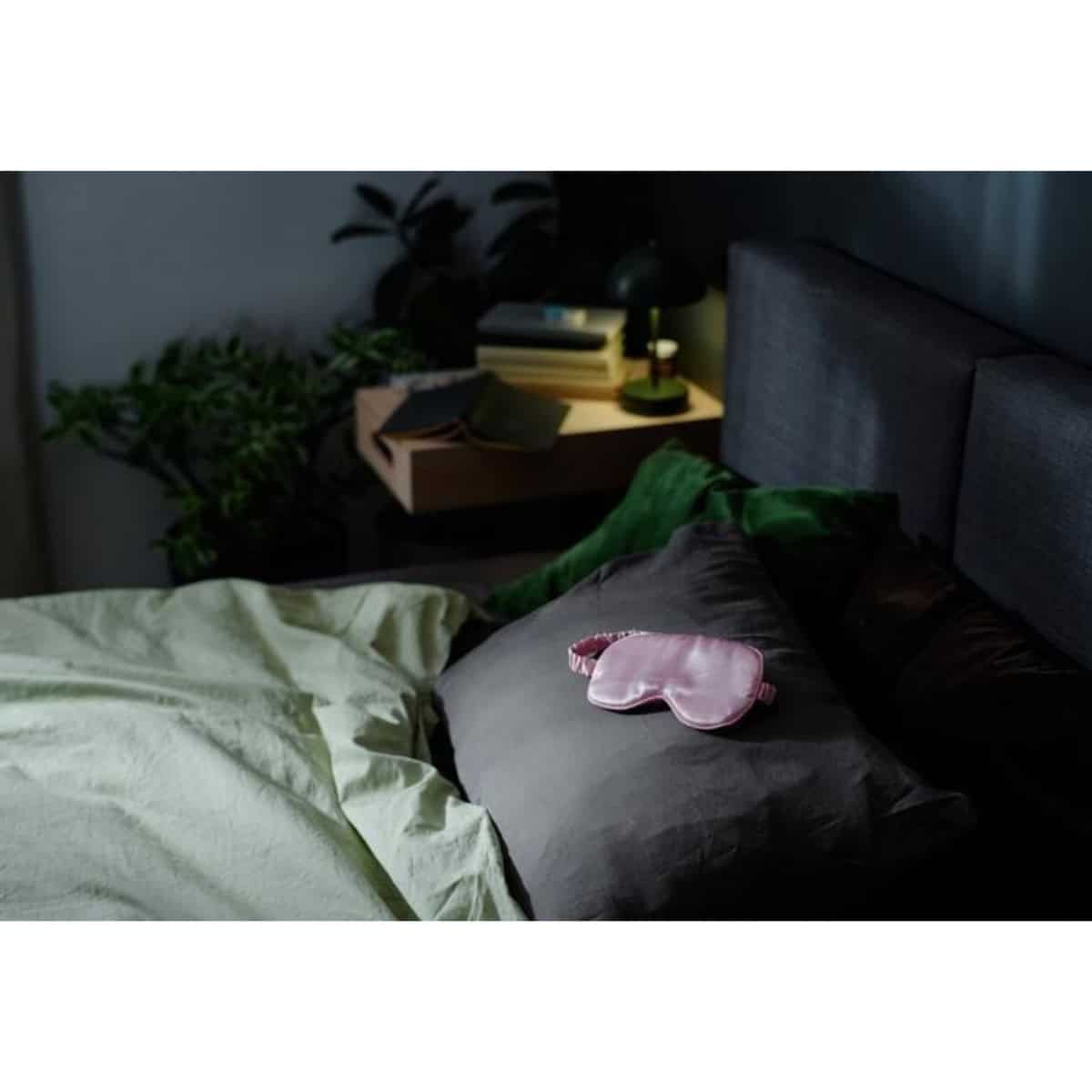
Non-medication sleep aids are typically the wisest and safest. For more (or better) sleep, try using:
- An eye mask
- A white noise machine
- Blackout curtains
- A consistent nighttime routine
And another word to the wise: A glass of wine might seem like it’s helping you get to sleep faster. But research shows it fragments the back half of your night and steals the deep, restorative sleep you actually need.
Real Moms Share Their Sleep Solutions
Beyond the tips above, I went searching for what other moms are saying; here’s some of their top advice:
- Claire Davies, a sleep coach who became a new mom, writing for Tom’s Guide, swore by the 20-to-30-minute power nap once “sleep when the baby sleeps” proved useless with her reflux-y, won’t-settle-for-anyone newborn; she’d nurse him, hand him to her husband, and grab whatever rest she could.
- Another mom, Rebekah Shackney, sharing her survival tips with her local community, put sleep at the top of her list. She encouraged other moms to leave the laundry, leave the dishes, and let the baby nap on their chest if that’s what finally works. She also said not to be shy about pulling in family and friends.
- Kelly-Ann Smith, a pediatric nurse practitioner who’d coached countless families through this (only to be floored by the level of exhaustion she faced when having her own baby), recommended not resisting or fighting the unpredictability of this time. Instead, she encourages new moms to embrace it and grab that sleep whenever they can. (She also suggests tag-teaming with your partner if possible.)
All of this is to say you aren’t alone. Every new mom goes through this turbulent and exhausting time.
If you’ve found something that works for you that isn’t listed here, I also encourage you to share it in the comments below; it could really help another mom who’s going through it right now.
And if figuring out whether you can have a life and a routine at the same time is something you’re wrestling with alongside the sleep stuff, that’s a question worth sitting with, and you’re not the only one asking it.
Finding Your Rhythm
The exhaustion you’re feeling right now is real. Learning how to cope with sleep deprivation postpartum is a process, not a checklist. So, don’t try to do everything all at once. Instead, pick one thing. Try that one thing for a few nights and see how you feel. When it comes to how you combat sleep deprivation during the postpartum time, don’t focus on perfection; just slowly focus on finding a rhythm that works for you and your family, even if that doesn’t look like anyone else’s.
Frequently Asked Questions (FAQ)
Say yes to help and know where to find it. Ask your pediatrician, lean on local groups (library story time or your town’s Facebook mom group), and, if the family’s a drive away, ask someone to come over to cover things for a few nights.
Some quick tips include keeping your room dark, cool, and quiet. A cheap white noise machine and blackout curtains also do a lot. Charge your phone across the room so you can’t doomscroll in the middle of the night. And simply nap or rest when you can; 20 minutes here or there still counts!
The hardest stretch is usually those first couple of months. Your baby’s internal clock starts to kick in around 2 to 3 months, and longer nighttime stretches tend to show up somewhere around 4 to 6 months, though every baby writes their own schedule, so try not to hold them to a calendar. Hang in there, mama. This phase doesn’t last forever.
Stick with non-medicated ones, such as a sleep mask, white noise, blackout curtains, and a wind-down routine. Before trying melatonin or anything stronger, check with your OB, midwife, or pharmacist. And skip the nightcap; alcohol wrecks your deep sleep.
It might sound counterintuitive, but don’t lie there spinning. Get up, keep the lights low, do something boring until you’re drowsy, then try again. If your mind races every night or you’re feeling anxious or weepy in a way that won’t lift, bring it up at your next checkup or reach out to Postpartum Support International.