Understanding Your Postpartum Weight Loss Plateau: Causes & Solutions
This post may contain affiliate links that I may receive a commission from if you click & buy. In addition, the information on this site is NOT intended to be medical advice. See my full policy for more information.
If you’ve found yourself stuck in a postpartum weight loss plateau, wondering why those extra pounds just won’t budge—please know, you’re not alone. This phase of the postpartum journey is something a lot of women face, and it can feel incredibly frustrating when you’re working so hard and seeing little to no weight loss results. Just remember, the postpartum phase is a time for healing and nurturing that relationship with your baby — so if weight loss isn’t your top priority, that’s perfectly fine, too!
Now, I want to be super upfront with you: I’m not a personal trainer, nutritionist, or healthcare provider. What I am is a mom—just like you—who has been through the ups and downs of postpartum weight loss firsthand.
Over the years, I’ve also had the privilege of learning from some amazing fitness experts, healthcare professionals, and moms in the thick of it. Those conversations have shaped my understanding of the postpartum body, from hormone imbalance and muscle mass loss to how sleep deprivation and breastfeeding can impact fat loss and your overall energy levels.
This is NOT a postpartum weight loss blog about getting bikini body-ready. This blog is a safe space to share what I’ve learned through my own experience and research, in hopes it helps you feel less overwhelmed and more empowered. Whether you’re 6 weeks or 6 months postpartum, struggling with diastasis recti, unsure about what the heck a calorie deficit is, or simply too exhausted to figure out an exercise plan—you’ll find real talk and helpful information here.
And hey, if you stick around to the end, I’ll be sharing some of my go-to resources—tools, communities, and expert-backed advice that helped me shift from stuck and stressed to steady progress. (Hint: it’s taken me YEARS).
Remember: always speak with your health care provider before starting or changing your workout routine, especially during the postpartum period. Let’s take this one step at a time, together.
This post may contain affiliate links from which I receive a commission if you click or make a purchase. This article is for informational and educational purposes only and is not intended to replace medical advice, diagnosis, or treatment. See my full policy for more information.
The Postpartum Weight Loss Plateau — Understanding WHY It Happens
For many new moms, the early weeks of postpartum come with some weight loss, which is due to the shedding of amniotic fluid, the baby weight itself, and even some of the water retention finally making it’s way out. But things can stall somewhere between a few weeks postpartum and a few months in.
If you’re eating a healthy diet, maybe even doing pelvic floor exercises or light physical activity, but the scale just isn’t budging, don’t panic. This, my friend, is what’s known as the postpartum weight loss plateau—and it’s so common during this new life transition.
You might be stuck in this stage if you’ve been doing all the “right” things—watching your caloric intake, getting regular exercise (when you can!), and maybe even lifting light weights—but you’re no longer seeing any progress. Your progress pictures look the same, your clothes aren’t fitting any looser, and your energy levels still feel zapped. And it’s not your fault.
This plateau can be triggered by various factors, like hormonal imbalances, lack of sleep, or not fueling your body with proper nutrition—especially if you’re breastfeeding and need additional calories to support your milk production.
The good news? Just because your postpartum weight loss journey has hit a bump doesn’t mean you’re doing anything wrong. In fact, sometimes your body is simply protecting itself. The hormone prolactin, for example, which helps with breast milk supply, can also make it harder to lose extra fat. Or maybe your abdominal muscles are still healing from birth, especially if you had a cesarean section or diastasis recti, making exercise routines feel nearly impossible.
Postpartum isn’t the time for crash diets, quick fixes, or intense workout routines—it’s a time for small changes, emotional support, and a holistic approach that works with your body, not against it.
Weight loss during this season is a long way from linear, but with the right mindset, well-balanced diet, and gentle movement (like at home strength training or walking, which still burns calories!), you’ll begin healthily moving toward your healthy weight goal in no time.
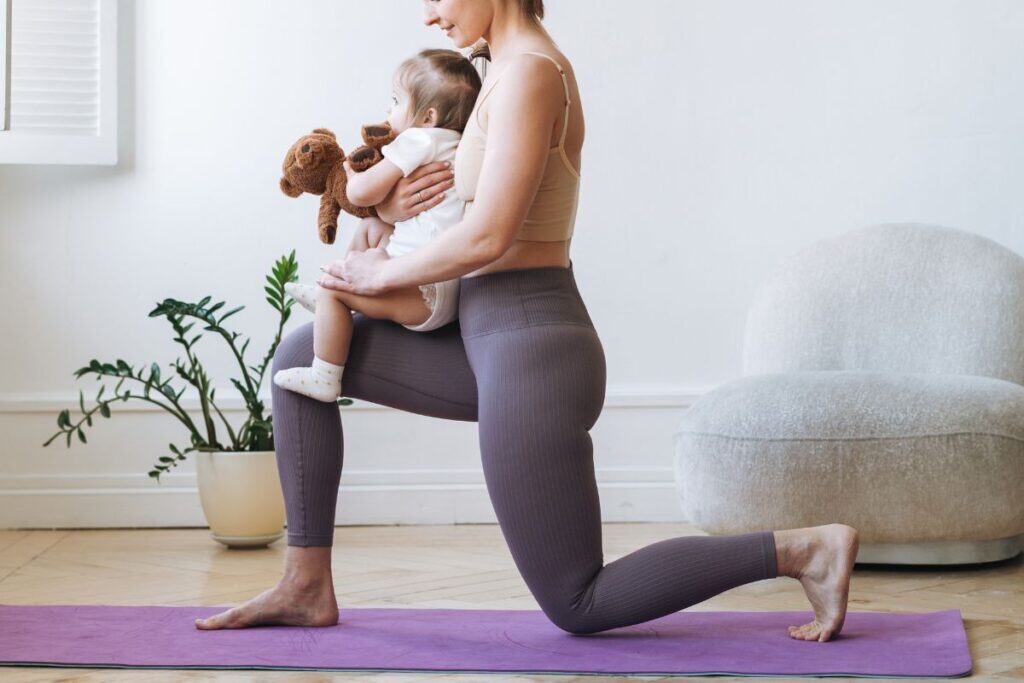
8 Reasons Why Moms Get Stuck in The Postpartum Weight Loss Plateau
Before you start second-guessing every snack, skipped workout, or number on the scale—pause. If you’re having a hard time losing that extra weight, it’s not because you’re not trying hard enough.
There are so many reasons why postpartum women hit a weight loss plateau, and none of them mean something is wrong with you or your body. Let’s break down what might really be going on:
1. Lack of Sleep
You’ve probably heard “just get enough sleep” more times than you can count—but when you’re waking every few hours to feed a baby or deal with a toddler crawling into your bed, sleep deprivation is just…reality. Unfortunately, new mothers who aren’t sleeping well for weeks on end may notice slower metabolism, imbalanced blood sugar levels, and increased cravings for quick energy [1] (hi, carbs and caffeine!). This makes weight management harder, even if you’re doing everything else “right.”
2. Hormonal Changes
Your body is still recalibrating after birth. Hormones like estrogen, progesterone, and insulin shift significantly in the postpartum phase. For breastfeeding moms, the hormone prolactin [2] can also cause your body to hold on to extra weight to preserve milk supply. These hormonal changes can affect everything from appetite and metabolism to mental health, energy, and how easily your body lets go of excess weight.
3. Genetics
Some moms bounce back to their pre-pregnancy weight quickly, while others hold onto those last 10 pounds for a year or more—and so much of that comes down to genetics. Your unique body shape, metabolic rate, and fat distribution are largely inherited [3]. Comparing yourself to what you see on social media isn’t just unhelpful—it’s misleading. Every body is on a different timeline. So the next time you find yourself questioning your body or looks because “another mom looks differently”, take that thought and toss it into the trash.
4. Lack of Support
Without the right team of experts, a flexible weight-loss program, or even a partner who encourages time for your exercise routine, it’s easy to struggle to get started. New moms often carry the weight of the household, childcare, and healing—all while adjusting to a new life, and it’s ok if that is your main focus in this season. If you’ve been carrying the mental and physical load solo, be gentle with yourself. Finding even one person to lean on can be the first step toward lasting change.
5. Not Maintaining a Calorie Deficit
To lose fat, your body needs to burn more calories than it consumes—but postpartum moms are often told to “eat enough” to support recovery and milk production. It’s a delicate balance, especially if you’re unsure how many calories your body actually needs. Sometimes, you may be eating fewer calories than you think, or you may be eating too much, which can slow your make it harder to lose weight. Nourishing yourself with whole grains, protein, and fiber is key here—not restricting with crash diets. Remember, this should be approached as an overall health goal, not just focusing on a number on the scale.
6. Lack of Physical Activity
Let’s be real—it’s not easy to work out when you’re sleep-deprived, healing, and managing a newborn (and maybe also researching the best toddler car seats at 2 a.m.).
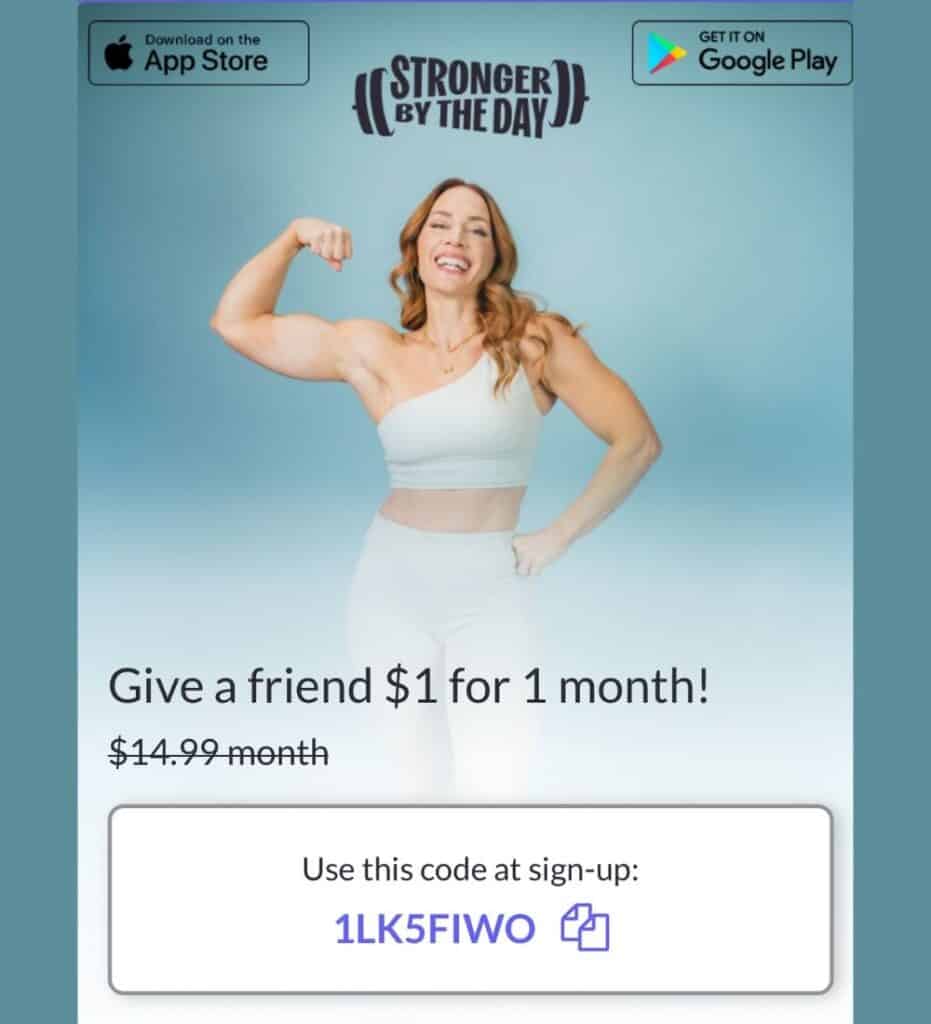
But incorporating movement—whether it’s walking, weight lifting (stronger by the day is an awesome customizable weight lifting app for women and you can start for just $1 your first month with code: 1LK5FIWO), or even light high-intensity training when cleared by your provider—can help boost metabolism, improve your mental health, and support sustainable weight loss solutions in the long term. Even small, consistent steps add up in ways you wouldn’t have expected.
7. Increased Stress
Whether it’s returning to work, learning to breastfeed, sleep regressions, or juggling your role as a mom and partner, stress is almost a given in this season. High cortisol levels (your stress hormone) can make your body hold on to extra fat, among the other factors. You might feel like you’ve put in a ton of hard work, only to see no changes. Managing stress, through movement, connection with your baby, or simply carving out some self-care time, is often the missing piece.
8. Secondary Medical Concerns
If you’ve made small changes and given your body extra time, but you’re still not seeing any progress, it may be time to connect with your healthcare provider. Conditions like insulin resistance, thyroid dysfunction, or even postpartum depression can all impact weight loss. The good news? There are weight loss treatments and general guidelines that can help support your goals while focusing on improving your health.
Real-Life Tips to Help Break Through the Postpartum Weight Loss Plateau
If you’re sitting there wondering “What else can I possibly do?”—I’ve been right there with you. After months of hard work and still seeing no change in my body weight, I knew something had to shift. So I started making small, sustainable changes. Not crash diets. Not two-a-day workouts. Just slow, simple, real-life steps. And over time, they made a big difference.
Eventually, I hit another plateau that I dove into further with a team of experts over at Join Vineyard. I worked with their obesity specialist and a wonderful registered dietitian to help me improve my health alongside losing more weight.
This is just to remind you that there is no one way to approach this journey. If you’re just getting started, here are a few strategies that helped me move forward initially on my own postpartum weight loss journey, along with the why behind them:

1. I Prioritized Sleep (As Much As Possible)
I know. Telling a new mom to sleep more can feel like a cruel joke—but hear me out. I started going to bed earlier (even if it meant dishes stayed in the sink), and I let go of the pressure to “do it all” during naps. Prioritizing enough sleep helped stabilize mood swings and support healthier food choices. According to the National Sleep Foundation, sleep deprivation can reduce fat loss during a calorie deficit by up to 55% [4]. That’s huge.
2. I Moved My Body in Ways That Felt Good
Instead of diving into intense workouts, I started small, like walking around the neighborhood with my son in the stroller. Fresh air, sunshine, and slow, steady movement. Eventually, I worked on weight lifting and some gentle high-intensity training because I have done so in the past, and it’s my favorite kind of workout, but walking was my first step. Regular physical activity—even low-impact movement—burns calories, boosts mental health, and increases metabolism, especially for postpartum women easing back into fitness.
3. I Took a Close Look at My Eating Habits
I wasn’t trying to eat “perfectly,” but I realized I was either mindlessly snacking or skipping meals altogether. Turns out, breastfeeding can make a girl feel REALLY hungry, lol! Once I focused on eating a well-balanced diet—with protein, whole grains, and much more fiber—I felt more energized and satisfied. I also paid attention to my caloric intake, making sure I wasn’t unknowingly eating more calories than I needed. And I still made room for my favorite treats, because living a healthy life while actually enjoying it matters more than perfection to me.
If you need help monitoring your calories, I have found My Fitness Pal to be incredibly easy. They also have new features allowing you to simply snap a photo of your meal, and it’ll estimate the calories — which is so helpful for a busy mom who doesn’t have the time or energy to log every recipe into an app.
4. I Reduced Social Media Comparison
This one was a game-changer. I unfollowed fitness accounts that made me feel “behind” and instead filled my feed with real postpartum moms, experts sharing realistic, research-backed general guidelines, and women focused on healing—not just rapid weight loss and getting ripped for summer. Remember: every body shape, every journey, and every metabolism is different. Just because someone else is back at their pre-pregnancy weight in a few weeks postpartum doesn’t mean that’s realistic (or healthy) for you.
5. I Asked for Support
It wasn’t easy, but I started leaning on my husband more, especially during the mornings so I could squeeze in a quick workout or a few minutes to journal. I also chatted with a healthcare provider to rule out issues like insulin resistance or thyroid concerns (turns out, I was recently diagnosed with PCOS, but it took about 5 years to finally get that diagnosis). Surrounding yourself with a team of experts—even if that’s just one supportive friend or your OB— they can help you feel less alone and more empowered.
6. I Stopped Fearing the Plateau
I shifted my mindset. Instead of obsessing over progress pictures or numbers on a scale, I started asking myself how I felt in my body. Strong? Energized? Like I could keep up with my kids and make it through the day without crying on the bathroom floor? That became my new measure of success. Sometimes the plateau isn’t a sign you’re failing—it’s just your body asking for extra time to heal, and it’s IMPORTANT WE LISTEN.
If you’ve tried all of these things and still feel stuck? Please know you’re not alone. These tips can be a helpful starting point, but they’re not a magic fix, and they may not work for everyone. You might be dealing with hormonal imbalances, a deeper medical concern, or maybe your body just needs more grace. Whatever it is, give yourself compassion and don’t be afraid to seek weight loss solutions that go beyond the basics. You’re doing better than you think. Healing takes time—and so does lasting change.
Cited Research:
[1] Anderson, G. H., & Woodend, D. (2003). Consumption of sugars and the regulation of short-term satiety and food intake. The American Journal of Clinical Nutrition, 78(4), 843S–849S. https://doi.org/10.1093/ajcn/78.4.843S | This article was accessed via PubMed Central: https://www.ncbi.nlm.nih.gov/pmc/articles/PMC2929498/
[2] Pirchio, R., Graziadio, C., Colao, A., Pivonello, R., & Auriemma, R. S. (2022). Metabolic effects of prolactin. Frontiers in Endocrinology, 13, Article 1015520. https://doi.org/10.3389/fendo.2022.1015520​:contentReference[oaicite:1]{index=1} | This article is accessible through PubMed Central: https://www.ncbi.nlm.nih.gov/pmc/articles/PMC9552666/
[3] Wu, F.-Y., & Yin, R.-X. (2022). Recent progress in epigenetics of obesity. Diabetology & Metabolic Syndrome, 14, Article 171. https://doi.org/10.1186/s13098-022-00947-1BioMed Central+2ScienceDirect+2BioMed Central+2 | This article is accessible through BioMed Central: https://dmsjournal.biomedcentral.com/articles/10.1186/s13098-022-00947-1
[4] Chaput JP, Tremblay A. Adequate sleep to improve the treatment of obesity. CMAJ. 2012 Dec 11;184(18):1975-6. doi: 10.1503/cmaj.120876. Epub 2012 Sep 17. PMID: 22988148; PMCID: PMC3519150.
One Comment