Breast Milk Storage Guidelines to Store, Freeze, & Thaw Safely!
This post may contain affiliate links that I may receive a commission from if you click & buy. In addition, the information on this site is NOT intended to be medical advice. See my full policy for more information.


As a mom who breastfed two babies for about 15 months each, I know how overwhelming it can be to figure out all the breast milk storage guidelines. Between pumping, storing, and thawing, there’s a lot to remember, in addition to learning how to care for our babies, right?
I’ve spent hours researching all things breastfeeding, including human milk storage information, and I want to break it down for you to make this process as simple as possible. Whether you’re figuring out how to store milk for your next feeding or need advice on longer-term storage options, this guide will help you keep your breast milk safe and healthy for your baby.
This post may contain affiliate links from which I receive a commission if you click or make a purchase. This article is for informational and educational purposes only and is not intended to replace medical advice, diagnosis, or treatment. See my full policy for more information.
Before we dive in, make sure you have the essentials:
- Breast Milk Storage Bags – Ideal for both freezing and storing in smaller quantities, I personally loved Lansinoh breast milk storage bags & Kiinde milk storage bags.
- Medela Sanitizing Bags – Perfect for cleaning pump parts like flanges and valves on the go.
- Breast Milk Collection Shells – Useful to catch those precious drops of milk during the letdown, especially if you’re on the go.
Breast Milk Storage Guidelines
Let’s break down the best practices and storage guidelines for fresh breast milk, whether you’re storing it at room temperature, refrigerating it, or freezing it.
Breastfeeding and Pumping
While breastfeeding, many breastfeeding moms use either an electric pump or manual pumps to express fresh milk. Both methods are perfectly acceptable, but whichever you choose, it’s important to maintain good hygiene.
I personally used a very high-quality electric pump (Spectra S1) along with a hands-free breast pump (Willow), and I would always bring my manual pump with me just in case. And keeping them clean was always a top priority, so here’s how you can prioritize good hygiene with your breast pump(s):
- Always ensure that pump parts are clean and sterilized before each use.
- Use sterilized, clean containers or breast milk storage bags to avoid contamination.
- Use sterilized, clean containers or breast milk storage bags to avoid contamination.
- Make sure to wash your hands thoroughly before handling breast milk or assembling your breast pump.
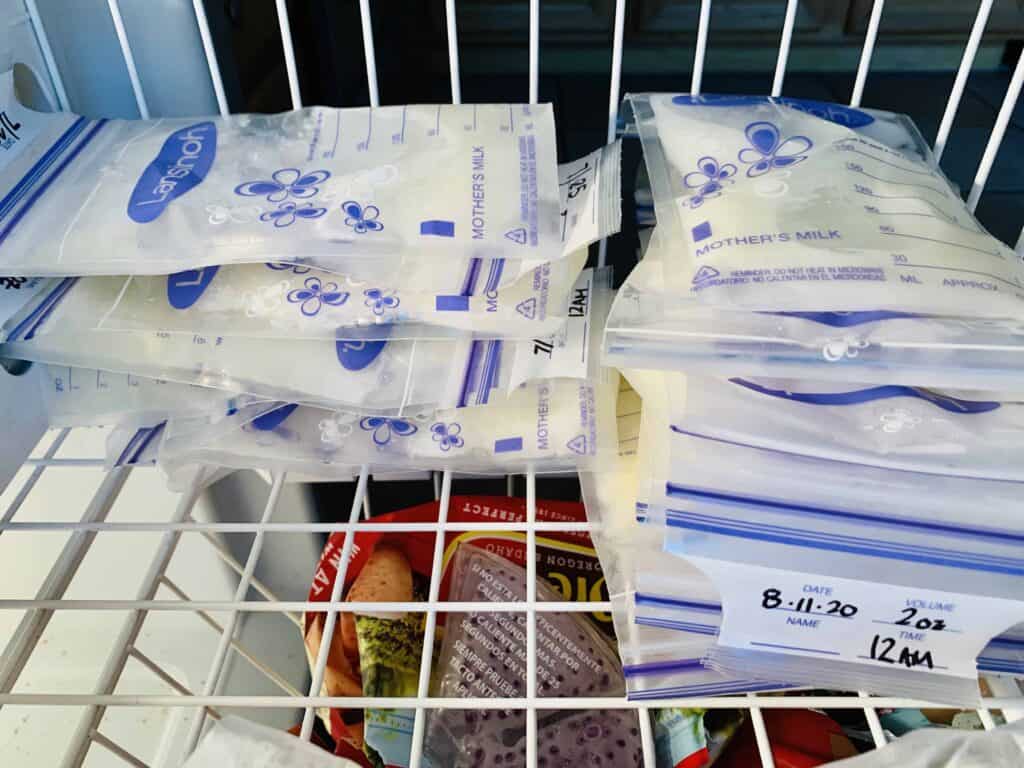
- Label the milk container with the amount of milk, the date, possibly the time, and your child’s name (especially if you’re sending milk to a childcare provider or neonatal intensive care unit).
Storing breast milk for a sick baby or a baby with a medical condition may require specific guidelines, so be sure to check with your child’s healthcare provider or lactation consultant for the best practices on how to store breast milk for those circumstances.
Expressed Milk Storage
When it comes to breast milk storage guidelines for expressed milk, you’ll need to keep the following things in mind when it comes to safely storing it away:
- Room temperature: Fresh breastmilk can be kept at room temperature (up to 77°F or 25°C) for up to 4 hours.
- In the fridge: If storing breast milk in the fridge, store the fresh milk in the coldest part of the fridge (not the fridge door), ideally in a sanitized plastic container or bottles of breast milk for up to 4 days. Be mindful to keep a little inch of space at the top of the container to allow for expansion.
- Freezer: In a separate door freezer or deep freezer, breast milk can last up to 6 months. For healthy term babies, it can be stored for up to 12 months, but it’s best used within the first 6.
Always avoid using disposable bottle liners for storage, as these can lead to leaks and contamination.
Freezing Breast Milk
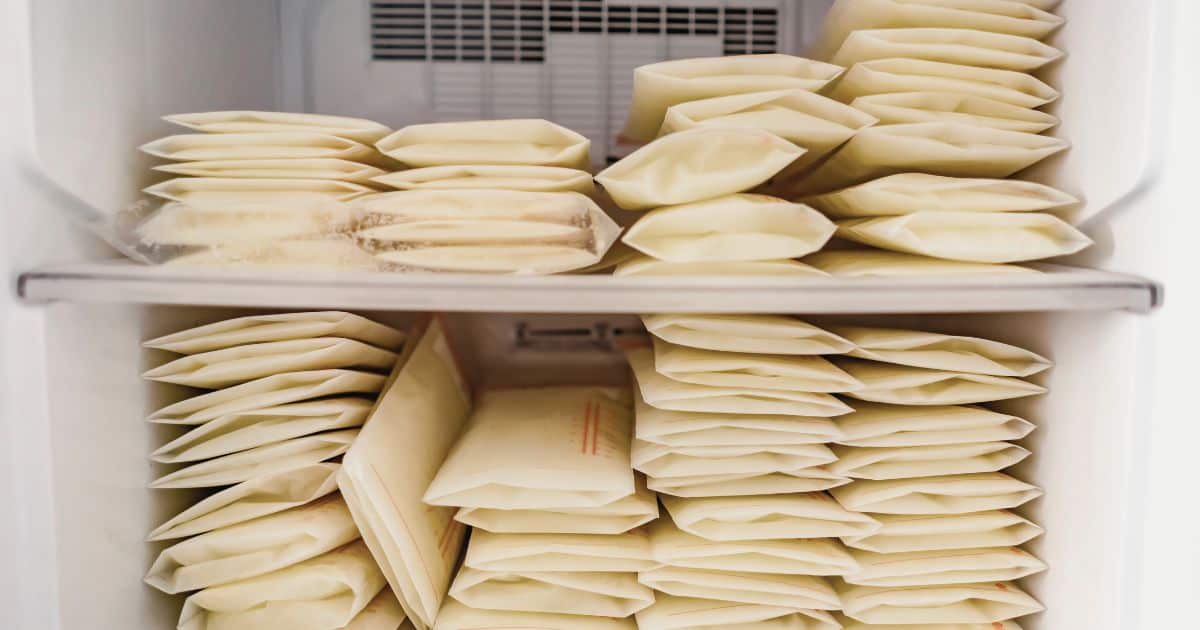
If you need to store your milk for longer durations, freezing your breast milk is a great idea. One thing I recommend is storing the milk in smaller amounts (2-4oz) to make thawing easier. This way, you’ll only thaw what you need and you’ll avoid wasting any remaining breast milk that your baby doesn’t eat.
Before placing your milk into the freezer, consider the following:
- Lay the bags flat and store them at the back of the freezer, where the temperature is most consistent. Keeping the top of the bag flat helps save space, instead of letting milk pool to one side or another.
- Be sure to date the bags and always try to use the oldest milk first to prevent any from spoiling.
Thawing Breast Milk
When you need to thaw your frozen breast milk, the best method is to thaw it in the fridge overnight. You can also thaw by placing the bag in a bowl of warm water or under warm running water. Important: Never use hot water as it can create hot spots and damage the milk’s nutrients.
- Once thawed, previously frozen milk can be stored in the fridge for up to 24 hours. It’s important to never refreeze leftover milk.
- If you need to warm the milk, use lukewarm water or a bottle warmer, but avoid microwaving, as it can cause hot spots and destroy beneficial properties in the milk.
How Long Can Breast Milk Be Stored?
To reiterate (because it’s important to know), according to the US Centers for Disease Control and Prevention (CDC) and the Academy of Breastfeeding Medicine, the following storage times are recommended:
- Room temperature: Up to 4 hours.
- Refrigerated milk: 4 days.
- Frozen milk: Up to 6 months, but up to 12 months for healthy babies in a deep freezer.
For babies in the neonatal intensive care unit or with any form of special needs, always consult your child’s doctor or specialist for the best recommended storage times.
Can Breast Milk Color & Milk Separation Indicate Issues?
Sometimes you’ll notice your breast milk appears in two layers, with a thicker, almost cream-like milk layer at the top of the container. This is perfectly normal! The creamy part of the milk is simply just a fatty part of the milk that separates from the foremilk (the watery part of the milk), but a gentle and quick swirl will combine it again.
Breast milk can vary in color, too:
- Yellow: Typically high in fat or stored in the freezer.
- Green: Often due to consuming lots of leafy vegetables.
- Light blue or clear: Milk this color is usually foremilk, which is more watery.
If the milk has a rancid smell or your baby refuses it, it might be spoiled. In this case, it’s best to discard it.
Final Thoughts on Breast Milk Storage
Breastfeeding can be overwhelming, especially when it comes to following proper storage guidelines, but following these simple tips will help ensure your milk is safe for your baby. Not only is this important for moms to know, but for anyone who handles breast milk while mom is away (your parenting partner, daycare workers, babysitters, nannies, and friends or family members.
Breastmilk CAN safely be handled and stored in the fridge, freezer, and at room temperature by following the guidelines above.
For further assistance, you can always reach out to the National Breastfeeding Helpline at 1-800-994-9662 or consult with a local lactation consultant (you can find one in your area here).
If this article helped you, please share it with other moms and parents who might benefit from knowing these breast milk storage guidelines!
One Comment