Your Postpartum Hygiene Questions Answered: Tackling Odor and Recovery Head-On
This post may contain affiliate links that I may receive a commission from if you click & buy. In addition, the information on this site is NOT intended to be medical advice. See my full policy for more information.
The bleeding, the exhaustion, and the emotional ups and downs are almost expected. But the day you catch a whiff of yourself and think, wait… is that me? It often comes as a surprise.
So, is postpartum body odor normal?
In short, yes. You’re okay (I promise). Those smells after giving birth are an incredibly common, completely normal part of postpartum recovery.
As a mom to two boys, I understand that dealing with postpartum odor is also probably the last thing you need right now. So I wrote this article to make things a little easier. Here’s everything you need to know about postpartum body care and postpartum hygiene.
Disclaimer: This article may contain commission, paid partnerships, or affiliate links. We independently review everything we recommend. When you buy through our links, we may earn a commission from qualifying purchases.
Understanding Postpartum Body Odor: Why Your Body Smells Different After Birth
Your body has just done something incredible; you just birthed a new human. But your body is also recalibrating.
And those new smells? They’re actually coming from various sources, including:
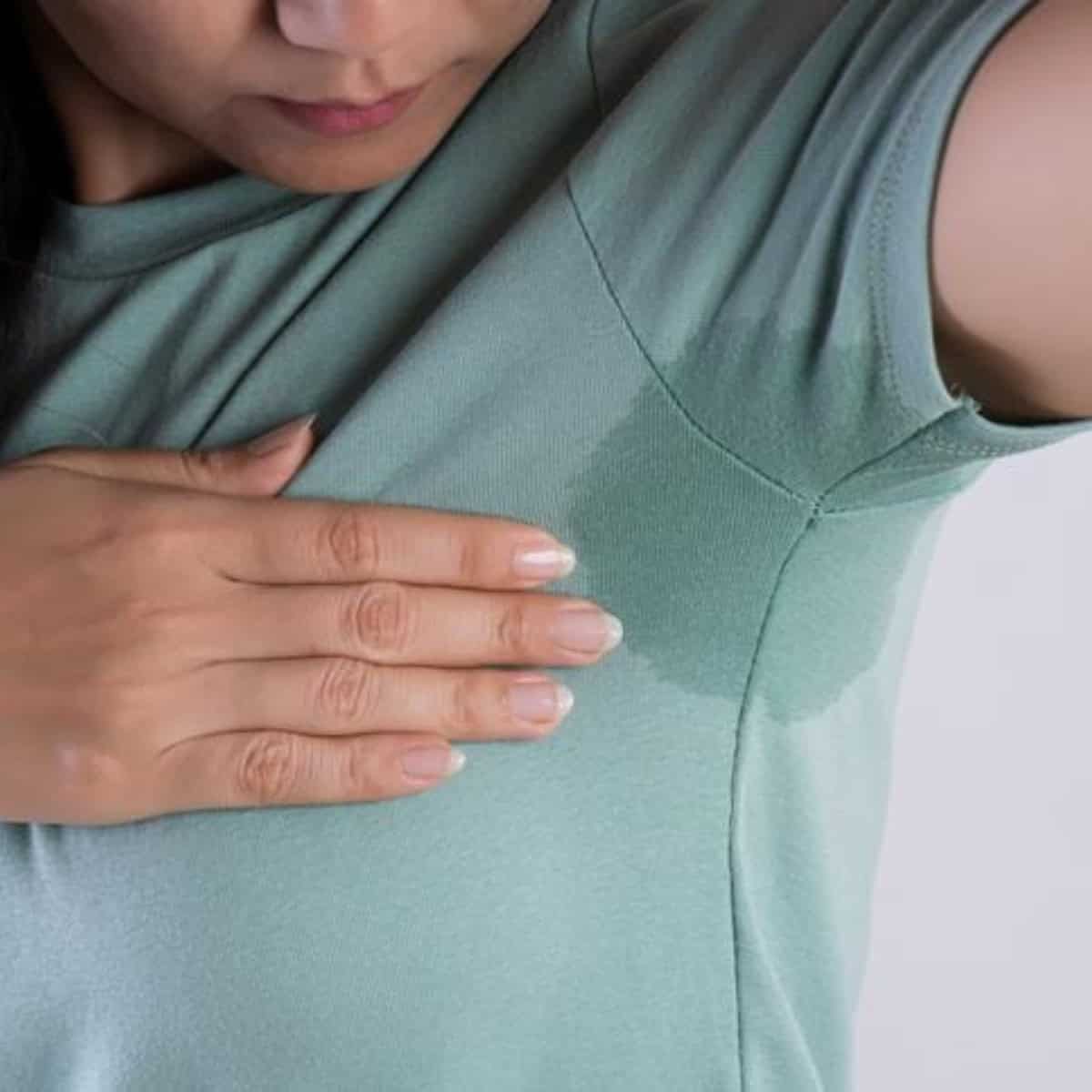
- Your underarms: This is often the first thing you get a whiff of. You may notice increasing smells here, too, after a sweaty night or after nursing.
- Down there: This is mostly from all that discharge and bleeding that’s happening as your body heals.
- Full body sweat: Those postpartum night sweats are no joke and completely normal.
- Your chest: This is especially true if you’re nursing.
So, why is all this happening? Let’s break it down.
Common Causes of Postpartum Body Odor (And Why They Happen)
Postpartum hygiene can feel a bit more difficult to manage. There are a few reasons for this, including:
- Your hormones are changing. After birth, your estrogen and progesterone levels drop quickly, and this crash throws your body’s internal thermostat completely off. As a result, you sweat more, including those infamous postpartum night sweats that leave you waking up completely drenched.
- Your body is flushing out fluids. Growing and birthing a baby takes a lot of extra fluids. This includes increased total blood volume, amniotic fluid, and more. But now your body has to get rid of it, and the two main exit routes are urine and sweat.
- Your sweat and bacteria are mixing together. Sweat itself is actually odorless. As soon as it meets bacteria (which live on our skin), this is where you get that funky scent.
- Breastfeeding is turning up the dial. If you’re nursing, the hormones driving your milk supply crank sweat production up even higher, particularly around your underarms and chest.
- Lochia (natural discharge) happens after birth. For up to six weeks after birth, your body is shedding everything it built up during pregnancy. This is the mix of blood and discharge called lochia. It usually has a metallic smell, and the red or pinkish color should fade over the first few weeks.
- You’re likely experiencing increased stress. Becoming a new mom isn’t easy. For most of us (me included), it comes with piles of stress. When your body pumps out the stress hormones, cortisol and adrenaline, it also nudges your body temperature up even more, meaning you sweat more.
- What you eat might be coming out through your sweat, too. Certain foods, like garlic and sulfur-rich veggies (broccoli, cabbage, and Brussels sprouts), produce compounds that are excreted through our sweat. And this can make things smell a little more potent than usual.
If you’re also navigating the bigger picture of what natural childbirth and birth recovery really look like, that piece is worth a read alongside this one.
Essential Hygiene Tips for Postpartum Recovery: How to Clean Your Postpartum Body
Okay, deep breath. These postpartum recovery tips don’t ask for any extra energy you don’t have. So, if you’re wondering how to clean a postpartum body, here’s what you can actually do about all those funky smells.
Give yourself permission to skip the daily shower. As tempting as it is, you don’t need to be showering every day (nor do you likely have the time or energy). On days when a shower isn’t happening but you want to feel cleaner, do a quick wipe of the areas that need it most. A few wet wipes (skin-friendly) or a wet towel does the trick.
Dress prepared for sweat. This simply means opting for breathable, cotton, or quick-dry clothing that lets your skin breathe and won’t trap sweat. Flowy options are also your best friend here since they won’t dig into your tender belly or C-section. (I lived in 2-3 flowy dresses during those first few months, and it was a lifesaver!)
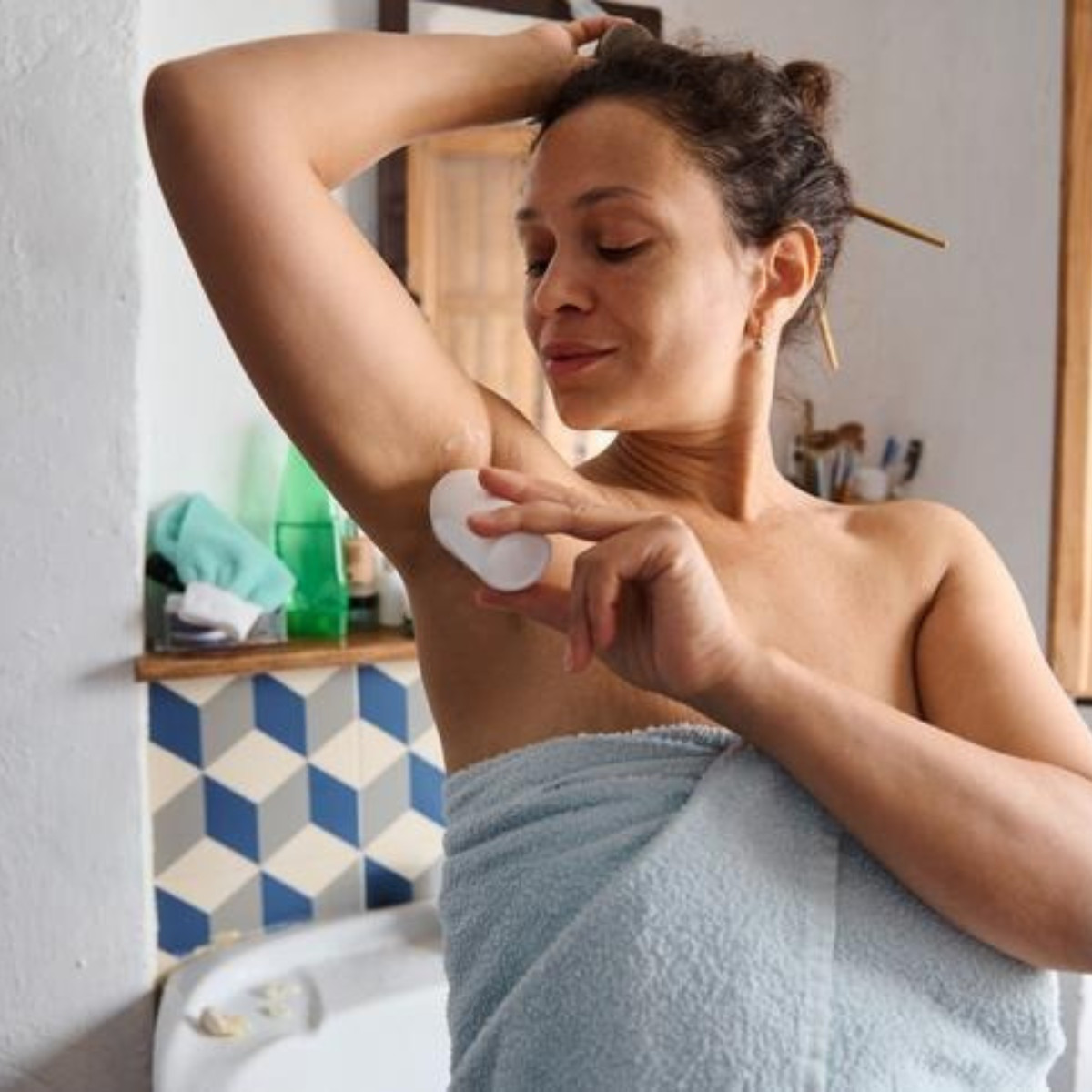
Use antiperspirants or deodorants. These are perfectly safe to use, so don’t be shy. There’s no need to swap or mix up your already existing routine or products. But if you do want to go the natural route, I recommend an option below.
Stay hydrated. While it might sound counterintuitive, this will help your body flush everything out and recover. It’s also useful for milk production if you’re breastfeeding.
Consider using a peri bottle after using the bathroom. If you already have a bidet installed, that works well too (just keep the water pressure very low; your bits are sensitive right now). A peri bottle actually works similarly to a bidet, helping keep down there clean.
Change your bedding and clothes. Doing this often enough can truly keep all those smells at bay. But I get it; sometimes it’s too much. This is just an add-on if you have the time and feel it will help you feel more like yourself again.
Be proactive about those dreaded night sweats. Keep the room a touch cooler, sleep in light layers you can peel off, and lay a towel down on your side of the bed so you’re swapping a towel at 3 am instead of stripping the whole mattress.
And while you’re in the thick of those early weeks, it can also help to know that finding a life and a routine that actually work together is possible, even with a newborn in the mix.
Recommended Products for Managing Postpartum Odor: Hygiene Products for New Moms
A few hygiene products for new moms that aren’t all hype and are 100% worth it include:
- Natural deodorant or antiperspirant (Lume is a great option from Amazon.)
- A peri bottle
- Cooling or ice pads (provides so much relief!)
- Postpartum high-waisted underwear
- Body wipes (for when you don’t have time for a shower)
- Leakproof nursing pads
- Breathable cotton pajamas
- Dry shampoo (fresh hair with no shower necessary!)
When to Talk to Your Doctor
If your body odor changes suddenly and your diet doesn’t explain it, check in with your doctor. A persistently fruity or sweet smell may signal blood sugar problems, and an ammonia-like odor may point to kidney or liver issues.
Drenching or night sweats, or odor paired with fatigue, a fever, or unexplained weight changes, also deserve attention. When in doubt, a doctor can rule out any underlying issues.
Embracing the Journey
Dealing with postpartum body odor is another layer to navigate during this transitional and tiring time. It can be frustrating, but with a few simple tricks, you can do this. Your body has done something incredible and continues to do something incredible; healing is no walk in the park. And like much of this season of life, things will soon settle.
If you’re still in those early days and looking for more comfort-focused ideas, understanding the happy cycle and how your wellbeing connects to your baby’s is worth a read, too.
If you’ve tried any of these and they worked for you, I’d love to hear about it in the comments below. And if you have other tips that could help fellow new moms, share them down there, too.
Frequently Asked Questions (FAQ)
Summer heat combined with postpartum hormones can be a lot. Opt for breathable cotton, loose layers, and a shower or wipe down when you can swing it. On days when you remember, pop a spare t-shirt or dress in your diaper bag so you always have something sweat-free to change into.
Keep this one simple. A peri bottle, breathable cotton underwear, wet wipes, and leakproof nursing pads go a long way. You can also find solid options on Amazon or your local drugstore, without breaking the bank.
If you’d like to keep things natural, a baking soda or magnesium-based deodorant tends to be gentler on sensitive postpartum skin. Staying hydrated and sticking to natural fabrics, such as cotton or bamboo, helps too. Make sure to patch test any new product first.
Absolutely! I experienced wild sweating and body odor with both my boys. It can feel unexpected, but rest assured that every new mom out there is going through it. Within weeks or a couple of months, those night sweats will be nothing but a faint memory in the past.
Most of the time it’s harmless, but trust your gut, mama. If the smell is unusually foul, coming from your vaginal area or a healing incision, or paired with a fever, pain, or unusual discharge, call your provider. These could signal that an infection is brewing, and it’s absolutely important for your health and life to get it checked out as soon as you can.